The Real Price of Cheap Streetwear and Why a Chrome Hearts Hoodie Costs Less Than You Think
London
United Kingdom
Fashion
+44 7911123456
mixedemotionsshop@gmail.com
https://amirishop.com.mx/
Added on 01 Jul 2026
42 Baker Street
Business Description
The Math Nobody Does Before Buying a Hoodie
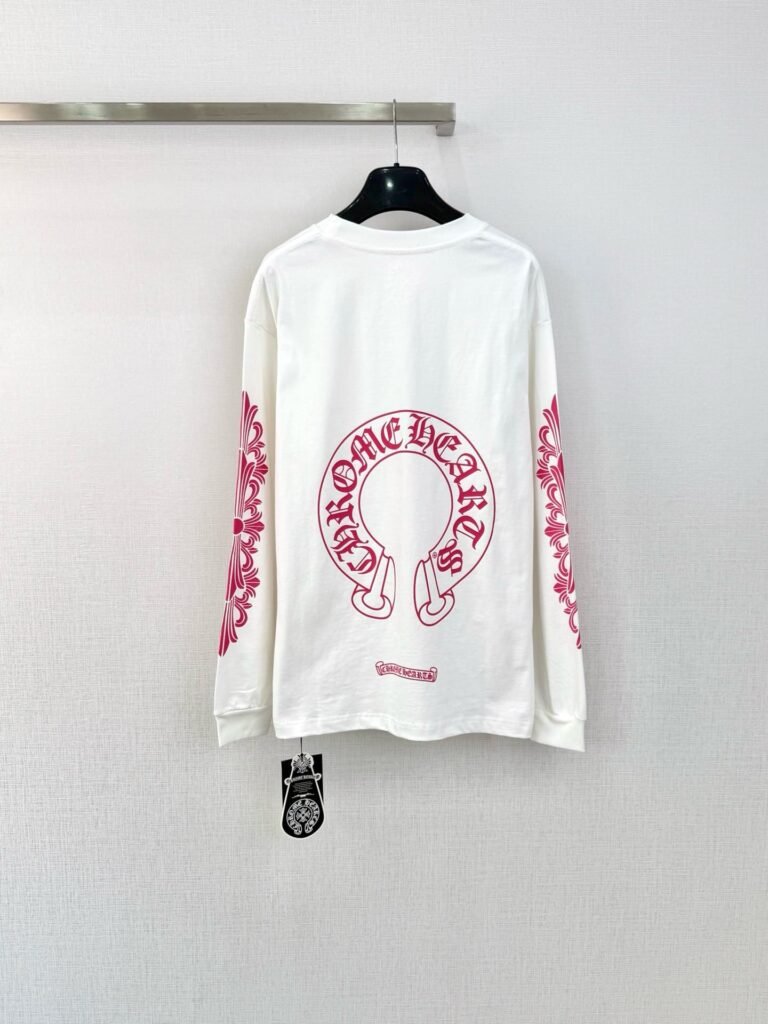
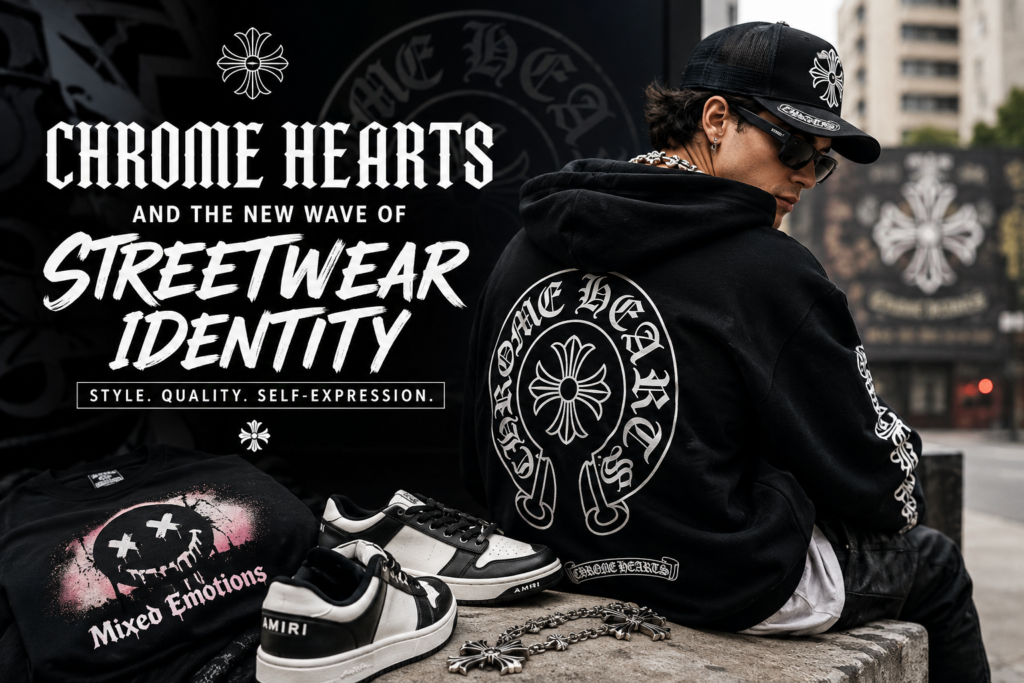
Most people look at a price tag, feel the number, and either commit or walk away. Very few buyers actually sit down and calculate what a garment costs per wear across its real lifespan, which is the number that actually determines whether a purchase was smart or wasteful. A chrome hearts hoodie sitting at several hundred dollars sounds expensive until you compare it against three or four cheap hoodies bought over the same period, each one lasting a single season before the print cracks, the cuffs stretch out permanently, and the hood collapses flat against your shoulders like a deflated pillow. If you bought four $80 fast-fashion hoodies over two years, you spent $320 and ended up with nothing wearable. If you bought one premium heavyweight hoodie and wore it consistently across those same two years, the math shifts dramatically in your favor once you divide cost by number of wears. This isn’t a new idea it’s called cost-per-wear, and it’s been discussed in fashion circles for decades, but streetwear buyers tend to ignore it because the initial price shock of a premium piece feels more real than the slow drain of replacing cheap alternatives every few months. The truth is that fabric weight, seam construction, print application method, and cotton quality all directly affect how many times you can wash and wear something before it degrades beyond the point of looking acceptable. These aren’t abstract quality claims they’re measurable factors with predictable outcomes, and understanding them changes how you evaluate price before you buy.
What Fabric Weight Actually Tells You About a Hoodie’s Lifespan
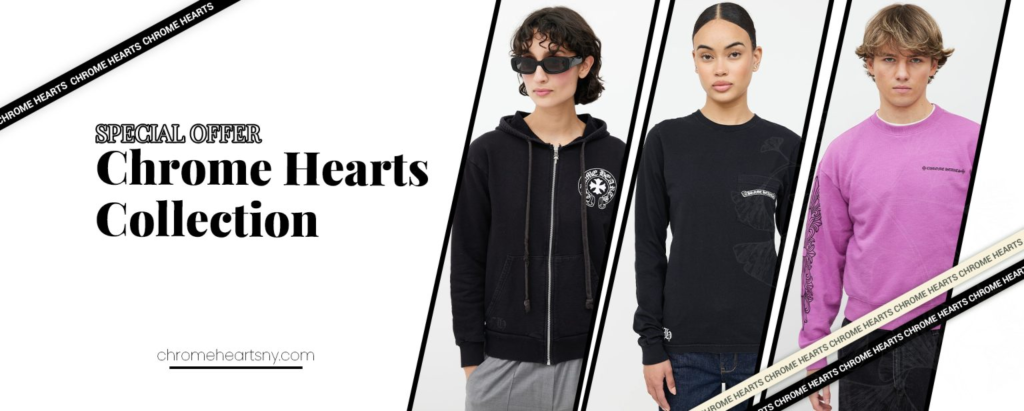
Fabric weight gets measured in grams per square meter, which you’ll see written as gsm on technical product specs. Most buyers never check this number, but it’s the single most reliable indicator of how a hoodie will hold up across repeated wash cycles and daily wear. Standard retail mall hoodies typically run between 240 and 300 gsm, which produces a lightweight, thin-feeling garment that drapes softly but loses its shape quickly once the fabric starts to relax after washing. Premium streetwear hoodies from quality labels start at 380 gsm and go up to 500 gsm for the heaviest fleece constructions, and the difference between holding a 280-gsm hoodie and a 450-gsm hoodie in your hands is immediately obvious one feels like a garment, the other feels like an investment. The heavier cotton retains its silhouette through dozens of wash cycles because there’s simply more fiber per square centimeter holding the structure in place, and that structure is what keeps the shoulders sitting right, the cuffs bouncing back after stretching, and the hood maintaining its shape rather than going floppy. The chrome hearts hoodie collection uses heavyweight construction that you can verify by feeling the pocket weight when you hold the garment the kangaroo pocket on a genuinely dense hoodie hangs with noticeable gravity rather than sitting flat and thin against the front panel, which is a quick physical test you can do before committing to any premium purchase. Beyond the weight itself, the cotton blend matters. Ring-spun cotton produces a smoother, more durable fiber than open-end spun cotton, and pre-shrunk cotton prevents the garment from shrinking unevenly across the chest and sleeves the first time you wash it, which is one of the most frustrating things that happens with cheap alternatives.
Six Warning Signs That a Streetwear Piece Won’t Last the Year
Shopping online makes it harder to assess quality before buying, but there are reliable signals that tell you what to expect from a piece before it arrives. Learning to read these signs saves you money and frustration before the purchase, not after the first wash cycle reveals every shortcut the manufacturer took.
No gsm or fabric weight listed anywhere on the page. Brands that are proud of their fabric weight publish it prominently. Brands that cut corners on material quality would rather you not ask about it, so they leave it off the product specs entirely.
“Premium quality” or “luxe feel” as descriptors without any technical detail. These are marketing phrases that mean nothing measurable. A genuine quality claim comes with specific information: cotton type, weight, country of manufacture, and construction method.
Prints shown only from a distance in product photography. Close-up shots of screen print edges reveal whether the ink has clean borders or slightly ragged bleed lines, which predict how quickly the print will crack or peel after washing. Blurry or zoomed-out product images often hide this.
No care instructions listed on the product page. Quality garments require specific care, and brands confident in their construction explain exactly how to wash and dry their pieces. Missing care instructions often mean the brand doesn’t want to commit to what the garment can handle.
Customer photos showing heavy pilling after a few washes. Review sections with customer-submitted photos are worth more than any marketing copy because they show what the piece actually looks like after real use, not on a perfectly lit studio model.
Return windows under 14 days. Brands that make genuinely durable pieces are confident enough to offer extended return windows. Very short return windows exist to prevent you from discovering quality problems after the initial excitement wears off.
Why Sneaker Quality Follows the Same Cost-Per-Wear Logic
The same cost-per-wear calculation that applies to hoodies applies even more dramatically to sneakers, because your footwear takes more physical abuse per day than any other piece of clothing you own. Every step applies pressure to the sole construction, the adhesive holding the upper to the midsole, and the flex point near the toe box where the leather or synthetic material bends with each stride. Cheap synthetic sneakers develop creasing and surface cracking at the toe box within three to four months of regular daily wear, and once that cracking starts, it accelerates because the material has already lost its structural integrity at the flex point. Premium leather sneakers, by contrast, develop creasing that softens and rounds out naturally rather than cracking, because genuine leather has elasticity that synthetic materials manufactured to look like leather simply don’t possess. The sole adhesion also differs significantly budget sneaker factories use heat-activated adhesives that begin to separate from the midsole when exposed to repeated heat and moisture cycles, while quality construction uses vulcanized or cold-cement bonding processes that remain stable across a much wider range of temperature and humidity conditions. For buyers in Mexico specifically, where footwear gets worn across diverse conditions from urban pavement to warm coastal environments, that durability gap shows up faster and more obviously than in temperate climates. The full-grain leather construction across models in the tenis amiri lineup addresses this directly the MA-1 and Skel-Top models use leather that thickens and stabilizes at the flex points over time rather than thinning and cracking, which is the physical difference between sneakers that look better with age and sneakers that just look older.
What a Smart Streetwear Budget Actually Prioritizes
Knowing where to spend and where to hold back requires a clear framework rather than just a gut feeling about what looks expensive or what a particular brand charges.
Hoodies deserve your highest per-piece budget because they get the most wears per week, the most wash cycles per month, and they take the most visual scrutiny from people around you. A hoodie that pills, cracks, or loses its shape announces itself to anyone paying attention.
Sneakers sit right alongside hoodies at the top of the spending priority list. They touch the ground every step, endure moisture, pressure, and repeated flex cycles daily, and they’re often the first thing another buyer notices about your outfit because they sit at eye level when you’re seated.
Graphic tees can come from mid-range labels without sacrificing the quality of your overall look, because a well-fitting plain or lightly-detailed tee works perfectly as a base layer or inner piece without needing the same longevity demands as your outer pieces.
Shorts and sweatpants benefit from construction quality but don’t require the absolute top of the market. These pieces still need proper elastic waistbands, reinforced pockets, and accurate sizing, but the visual scrutiny they receive is lower than your top half or footwear.
Accessories should be few but chosen deliberately. One quality ring, chain, or cap does more for a look than five cheaper accessories worn simultaneously. Rhinestone or sterling silver pieces from established makers hold their finish better than plated costume jewelry that turns within weeks.
Outerwear should be budgeted for longevity over trend. A leather jacket or quality denim jacket worn consistently across two or three years delivers far more value than a seasonal trendy coat bought cheap and discarded when the trend cycle moves on.
How Independent Streetwear Brands Deliver Quality Without the Legacy Price Tag
One of the most interesting developments in streetwear over the past four years has been the rise of independent labels that compete on construction quality rather than brand heritage or celebrity seeding budgets. These brands don’t have decades of brand equity propping up their prices, so they have to earn customer loyalty through the actual product, which creates a very different incentive structure than legacy labels enjoy. The result is often a piece that punches well above its price point in terms of fabric weight, print quality, and construction consistency, because the brand can’t afford to disappoint customers who found them through word of mouth rather than a paid Instagram campaign. Mixed Emotion operates in this space, building their line around rhinestone-detail hoodies in heavyweight cotton, monogram denim across four distinct washes, and mood-named graphic tees with design logic that feels genuinely thought through rather than commercially safe. What separates them from the wave of generic independent streetwear labels is that their pieces have a clear point of view the Angel, Astronaut, and Goblin naming isn’t a random branding exercise but a reflection of a design philosophy where each piece carries a specific emotional register that guides how you’d style it. From a construction perspective, their rhinestone application process sits closer to premium standards than fast-fashion alternatives, with heat-pressed stones that survive gentle machine washing rather than falling out after two cycles. My honest preference leans toward independent labels for everyday casual pieces and established gothic luxury labels for anchor pieces that I know will see heavy rotation, because that combination gives me the quality I need at every level of my wardrobe without over-spending on pieces that don’t need the most expensive construction on the market.
The Hidden Cost of Fast Fashion Streetwear Nobody Accounts For
Beyond the obvious cost of replacing a cheap hoodie every few months, there’s a set of hidden costs that fast-fashion streetwear generates that buyers rarely factor into their purchasing math. The first hidden cost is time. Every time a cheap piece degrades past wearability, you spend time identifying a replacement, browsing options, placing an order, waiting for delivery, and integrating the new piece into your wardrobe. That process takes anywhere from a few hours to a few days of mental energy spread across multiple sessions, and if you’re replacing three or four pieces per year at that frequency, the cumulative time drain is genuinely significant. The second hidden cost is outfit disruption. When a key piece in a working outfit combination wears out say, the distressed jeans you always pair with your best hoodie you don’t just lose that one piece. You lose the outfit combinations that depended on it until you find a worthy replacement, which sometimes takes weeks. The third hidden cost is environmental impact, which more buyers are factoring into purchase decisions than they were even three years ago. A garment that lasts two wash cycles before becoming unwearable contributes to textile waste at a rate that premium, long-lasting construction directly counters one well-made hoodie replacing four short-lived ones is a straightforward reduction in material waste that compounds over years of buying decisions. The fourth hidden cost is the confidence gap. Wearing clothes that you know are degrading the slightly cracked print, the cuff that won’t bounce back, the hood that sits wrong affects how you carry yourself in a way that’s hard to measure but very easy to feel. Clothes that still look right after months of wear reinforce confidence. Clothes that are slowly falling apart do the opposite.
Building a Long-Term Wardrobe Strategy That Actually Works
The wardrobe that serves you best three years from now looks nothing like a collection of trend-chasing impulse buys accumulated without a plan. It looks like a tight rotation of pieces that were chosen deliberately, bought at the right quality level for how much wear they’d receive, and maintained properly so they continue looking the way they did when you first brought them home. Starting that wardrobe means resisting the pull of cheap pieces that look good in a thumbnail and buying fewer things that you actually want to wear repeatedly. A rotation of twelve to fifteen premium or mid-premium pieces handles the vast majority of daily dressing situations for most buyers, which means the goal isn’t a full closet but a functional one. Every piece in that rotation should pair naturally with at least three other items, which creates dozens of outfit combinations from a relatively small number of garments. Add pieces incrementally rather than all at once one new hoodie per season, one new pair of sneakers every four to six months, one new set of basics every quarter so each new addition gets properly integrated into the rotation rather than piling up unworn because you bought too much at once and ran out of occasions to wear everything. The budget discipline this requires is real, but the outcome is a wardrobe that looks more considered and costs less over time than the alternative of buying cheap, replacing often, and never quite feeling satisfied with what you have. That feeling of satisfaction with your clothes isn’t vanity. It’s the direct result of choosing quality over quantity and giving yourself permission to spend more per piece when the construction genuinely warrants it.
Frequently Asked Questions
➤ What services does The Real Price of Cheap Streetwear and Why a Chrome Hearts Hoodie Costs Less Than You Think offer?
The Real Price of Cheap Streetwear and Why a Chrome Hearts Hoodie Costs Less Than You Think provides professional Fashion services for customers in London, United Kingdom. They focus on delivering quality solutions tailored to client needs.
➤ Where is The Real Price of Cheap Streetwear and Why a Chrome Hearts Hoodie Costs Less Than You Think located?
This business is located in London, United Kingdom, making it a convenient choice for local customers looking for reliable Fashion services.
➤ How can I contact The Real Price of Cheap Streetwear and Why a Chrome Hearts Hoodie Costs Less Than You Think?
You can contact The Real Price of Cheap Streetwear and Why a Chrome Hearts Hoodie Costs Less Than You Think via phone or email listed on this page to learn more about their services and availability.
➤ Why choose The Real Price of Cheap Streetwear and Why a Chrome Hearts Hoodie Costs Less Than You Think over other Fashion providers?
The Real Price of Cheap Streetwear and Why a Chrome Hearts Hoodie Costs Less Than You Think is known for professionalism, customer satisfaction, and dependable service, making it a trusted choice for Fashion needs in London.
Services Offered by The Real Price of Cheap Streetwear and Why a Chrome Hearts Hoodie Costs Less Than You Think
The Real Price of Cheap Streetwear and Why a Chrome Hearts Hoodie Costs Less Than You Think provides a range of Fashion services designed to meet customer needs efficiently. Their services are tailored for individuals and businesses seeking reliable and professional support.
- Professional Fashion consultation
- Customer-focused service approach
- Affordable and transparent pricing
- Timely project delivery
Business Hours
This business typically operates during standard working hours. Customers are encouraged to contact the business directly to confirm current availability and service timings.
Customer Support
The Real Price of Cheap Streetwear and Why a Chrome Hearts Hoodie Costs Less Than You Think values customer satisfaction and provides dedicated support to address inquiries and service requests. Their team ensures a smooth experience from initial contact to service completion.
Local London Business Information
The Real Price of Cheap Streetwear and Why a Chrome Hearts Hoodie Costs Less Than You Think proudly serves customers in London, United Kingdom. As a local business, it understands the needs of the community and provides services that align with regional requirements.